Showing posts with label Kidney Month. Show all posts

Tuesday, March 8, 2016

Happy National Nutrition Month® 2016!

I love celebrating. I think we all do. There's birthdays, holidays, and national days . . . peanut butter day, hamburger day, pie day. The list goes on and on.

We do this in the medical field too. We have nurse's week. In March, we celebrate Social Work month, Kidney Month, and National Nutrition Month®. Can you guess which is my favorite?? Don't answer that; don't make me choose.

As a medical profession, I so value my team. I've had the privilege of working on several interdisciplinary teams, which are comprised of doctors, nurses, social workers, child life workers, and dietitians. It is such a cool thing to learn from one another and work alongside one another to take the best possible care of our patients. I love it!


In honor of all of this celebrating in March, here is my roundup of all of the celebrations, so you can be in the know.
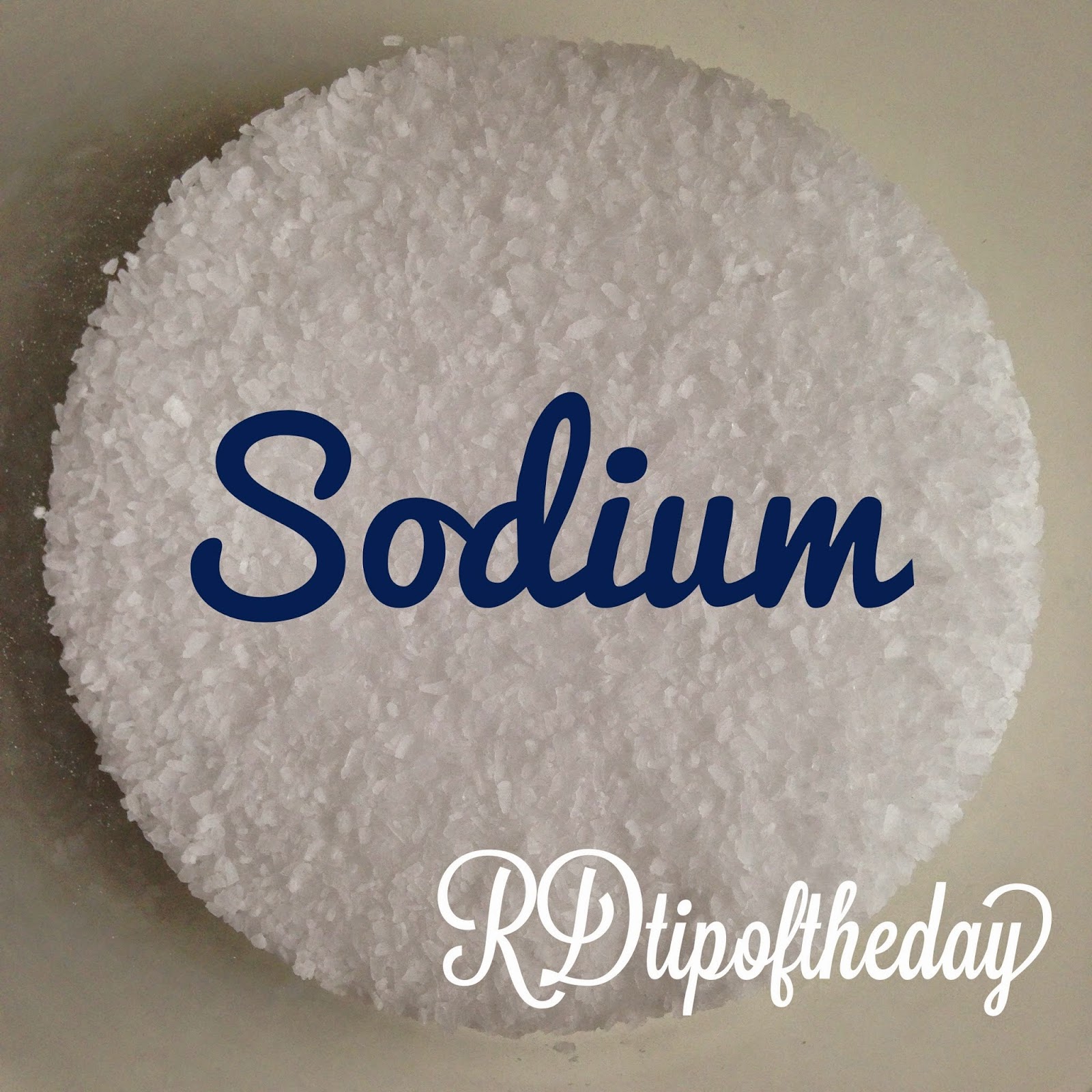


Have you ever wondered about if you are keeping your kidneys healthy? Are you concerned about blood pressure or dietary salt intake. Learn about how to keep your kidneys healthy and add tons of flavor to food without adding buckets of salt. It's National Kidney Month, so take care of yourself.


Happy National Social Worker Month! I enjoy the opportunity to work with and learn from different professions. Every health care and medical professional works together to best serve their patients. Learn how my social workers have been an integral part of caring for my patients.


I enjoy being a dietitian and teaching people about good nutrition and health. So, how did this month celebrating nutrition start? How did National Nutrition Month® start? Find out here.


For more recipes, encouragement, and tips for healthy eating, follow me on Pinterest, Instagram, and Twitter.

If you liked this post, you might enjoy:


Tuesday, March 24, 2015

Kidney Month: Dietary Sodium

Happy Kidney Month! 


I worked as a renal dietitian for approximately 6 years. I loved the patients, families, and nephrology team I was able to work with. My team helped me grow from a recent graduate and new RD into an experienced, renal RD. They mentored me and helped me grow professionally. Check out this post for more information about my awesome nephrologist and social worker mentors.


So where does sodium come from?
Most of our dietary sodium comes from table salt, which is sodium chloride. We get sodium in processed foods where it is added to increase shelf-life and enhance food's taste. Foods high in sodium include: cheese, condiments, deli meats, pizza, processed foods, soy sauce, and many more. We also add salt when cooking or eating foods. And, we get sodium from many foods consumed when we eat out. Many restaurants or "fast foods" are high in dietary sodium. The average American usually eats 3,400 milligrams of sodium per day. That's more than double what the AHA recommends! For reference, there are ~2,300 milligrams of sodium in 1 teaspoon of salt.

How much sodium should I consume?
The American Heart Association recommends reducing dietary sodium intake to 1,500 milligrams per day to promote heart health. Patients with high blood pressure or kidney disease usually have a 1,500 - 2,000 mg sodium restriction per day. Some people are 'salt sensitive' and reducing dietary sodium can greatly improve health. Talk with your personal RD or doctor before you start any new diets. Some disease states or medications require a consistent or even high intake of sodium.

How can I reduce my sodium intake?
1) Choose low sodium foods
  • Read the Nutrition Facts Labels when grocery shopping. Try to find things < or = 140 milligrams of sodium per serving. This will help keep your dietary sodium intake from processed foods low.
  • Look for lower sodium substitutes. Many products offer reduced sodium alternatives. For example, most canned vegetables and soups have a lower sodium alternative.
  • Choose food naturally low in sodium. Fresh and frozen fruits and vegetables are naturally low in sodium. Canned fruits and vegetables usually contain sodium. You can drain the liquid and rinse canned foods until not foamy (see picture). This will greatly decrease the sodium. 
  • Eat a diet high in fruits and vegetables. Fruits and vegetables are naturally low in sodium, and eating fruits and vegetables has many health benefits. The DASH diet, which is an acronym for Dietary Approaches to Stop Hypertension, is low in sodium, high in potassium which is a mineral naturally present in many fruits and vegetables, and has been shown to decrease blood pressure (aka hypertension).


2) Add flavor without adding salt

  • A lot of our dietary sodium is added while cooking. So, try reduce the amount of salt you add when cooking
  • You can flavor foods with a salt substitute. Salt substitutes are made from potassium chloride instead of sodium chloride (table salt). Note: Some medications or disease require a low potassium diet, so check with your RD or MD before starting a salt substitute.
  • Use herbs and spices while cooking. Salt adds flavor, so if we decrease salt we need to increase flavor with something else. For example, try using garlic powder or fresh garlic instead of garlic salt when cooking. You still get the garlic flavor but without the salt!
  • Use aromatic vegetables to add flavor. I'm from Louisiana, and most Cajun or Creole recipes start with adding onion, bell pepper, and celery. Why? Because these three aromatic vegetables add flavor!

I hope these ten tips will help you reduce your salt and dietary sodium intake. Please check with your RD or MD before starting a new diet. Some medications and medical conditions require regulation of dietary sodium intake.

If you have a family history of high blood pressure or kidney disease, check in with your doctor to get a physical. Tell your doctor your family history of kidney disease, your concerns for your health, and ask about what screening you should do. Be #kidneyaware.


Stay tuned this week we will focus on kidney disease and some dietary restrictions that are commonly prescribed. Always talk with your personal dietitian or physician before starting a new diet or exercise program. For more information, encouragement, and tips for healthy eating, follow me on PinterestInstagram, and Twitter . You can subscribe to this blog, RDtipoftheday.blogspot.com, through BlogLovin.

Monday, March 23, 2015

Happy Kidney Month! Happy National Social Work Month!

Happy Kidney Month! 


I worked as a renal dietitian for a little over 6 years. I loved the patients, families, and nephrology team I was able to work with. My team helped me grow from a recent graduate and new RD into an experienced, renal RD. They mentored me and helped me grow professionally. 

The nephrologists (aka kidney doctors) let me sit in on renal rounds. I learned a ton from rounding on all the patients. I was fortunate to work in a teaching hospital. The physicians were very kind and patient to answer all my questions. Eventually, the nephrologists let me lead teaching rounds! I had the opportunity to teach medical residents about nutrition for kidney disease.

My social worker was such a blessing! She taught me how to be a better listener and grow as young medical professional.  She also helped me find ways to get formula covered for patients with financial needs. I think she is a fairy godmother disguised as a social worker! Happy National Social Work Month!


repost from @nationalkidneyfoundation
March is a busy month with National Nutrition Month, National Social Work Month, and Kidney Month! This week we will focus on kidney disease and some dietary restrictions that are commonly prescribed. 

Stay tuned this week for more information on kidney disease and the renal diet. Always talk with your personal dietitian or physician before starting a new diet or exercise program. For more information, encouragement, and tips for healthy eating, follow me on PinterestInstagram, and Twitter . You can subscribe to this blog, RDtipoftheday.blogspot.com, through BlogLovin.