Showing posts with label vegetables. Show all posts

Monday, August 29, 2016

3 Hummus Recipes

Hummus has become my favorite dip, spread, and appetizer. It's a yummy blend of chick peas and pretty much any flavor you want to add. 

One of my best friends, Mal, introduced me to Mediterranean food in college. It's still one of my favorite things to eat. My husband is half Greek, so anything Greek or Mediterranean is a hit in our house. I find myself making more Greek dishes, and hummus is on a regular rotation at my house.

Here's my hummus recipe.


RDTOD's Hummus - Garlic Red Pepper Hummus
Ingredients
1/2 cup almond butter
2 Tablespoons lemon zest (zest of approximately 1 lemon)
6 Tablespoons lemon juice (the juice of approximately 2 lemons)
2 garlic cloves
1/4 teaspoon red pepper flakes
2 cans chickpeas- rinsed and drained
1/4 cup olive oil
1/4 teaspoon kosher salt
1/8 teaspoon freshly ground black pepper

Instructions

In a food processor, blend almond butter and lemon juice for 2 minutes, until the mixture is light and fluffy. Add lemon zest and garlic. Mix for 2 minutes. Add red pepper and garbanzo beans. Mix 2 minutes. Add olive oil until combined. Enjoy!


What can you do with the basic hummus recipe? You can eat it or add different flavors. Here are my two current favorite hummus variations.


Basil Pesto Hummus

Ingredients
Half of RDTOD's Hummus recipe
1/4 cup basil pesto

Instructions

Divid the basic hummus recipe in 1/2. Add 1/4 cup basil pesto to the hummus. Mix together. Enjoy!


Lemon Artichoke Hummus

Ingredients
Half of RDTOD's Hummus recipe
3 jarred artichoke hears
Zest of 1 lemon
Juice of 1/2 lemon (2 Tablespoons)

Instructions
Divide the basic hummus recipe in 1/2.
Add hummus, 3 artichoke hearts, zest of 1 lemon, and the juice of 1/2 lemon to a food processor. Pulse until combined. Enjoy!

Hummus is a great spread for sandwiches and wraps. It's a simple, make-ahead appetizer for entertaining. Hummus is a great dip for veggies and crackers. Hummus is a great dip for encouraging kids to eat their vegetables. I recently did a television appearance for healthy eating for back-to-school. Here are some of the simple, snacks you can put together for you kid's lunchbox or after school snack.


For more recipes, encouragement, and tips for healthy eating, follow me on PinterestInstagram, and Twitter

Friday, June 3, 2016

Let's Celebrate June

Y'all I LOVE celebrations! I love birthdays, holidays, Tuesdays, and Fridays! I love celebrating achievements: graduations, babies, marriage, or just being an amazing human being. Give me a reason, and I'll celebrate with you! So, this is a new feature that I thought would be fun! 

In this series, I'm going to provide an overview of the food celebrations and holidays in the month, so you can celebrate. For me, it's helpful for menu planning or throwing themed dinners. These food holidays are a great way to have a themed meal and invite people over to your home. 

I feel like inviting people into your home is a great way to build community. There's something about breaking bread, cooking, sharing recipes, and food that sparks conversation. I love talking and celebrating around a table. So, here are some food celebrations in June.


June has several celebrations throughout the month. June is:


  • National Fruit and Vegetable Month
    • Use #HealthyRD to document your fruit and vegetable recipes this month. 

There are also many celebrations on days throughout June. 


  • June 2 is National Rotisserie Chicken Day
  • June 4 is National Eggs Benedict Day and National Cheese Day
  • June 7 is National Chocolate Ice Cream Day
  • June 12 is International Falafel Day
  • June 13 is Cupcake Lover's Day
  • June 14 is National Strawberry Shortcake Day
  • June 15 is National Lobster Day
  • June 17 is National Apple Strudel Day
  • June 18 is International Picnic Day
  • June 20 is National Vanilla Milkshake Day
  • June 21 is National Peaches and Cream Day
    • Celebrate with a peach parfait or Peach French Toast for breakfast. Or, you can try Peach and Pecan Bread Pudding for dessert.
  • June 22 is National Onion Ring Day
  • June 25 is National Catfish Day
    I thought this list would be inspiring for your meal plan or party ideas for June. I hope it is inspiring. So, let's celebrate. If you participate in these monthly celebrations, tag me, @RDtipoftheday, and use the hashtag #RDTODcelebrate or #HealthyRD for a chance to be featured. 


    For more recipes, encouragement, and tips for healthy eating, follow me on PinterestInstagram, and Twitter


    If you liked this post, you might enjoy:


    Wednesday, May 25, 2016

    Pickled Vegetables Recipe


    As a Registered Dietitian, you can work in many areas, including recipe development. I have the wonderful opportunity to work with the National Kidney Foundation (NKF). I've developed recipes for the NKF for more than 4 years. They featured one of my recipes yesterday, and I wanted to share it with you! Click on the link below to view the recipe for pickled Summer vegetables.


    Pickling is a great way to preserve food. If you have an abundance of vegetables in your garden, you can consider pickling some to enjoy later in the year. My recipe is a lower sodium spin on pickling. Enjoy!


    If you want more recipes, you can access to all these recipes for FREE by signing up for the Kidney Living publication through the NKF or by signing up for FoodCare on the NKF's website.


    The recipes below are more samples of my recipes featured in the Winter issue of Kidney Living. This website features recipes for individuals with various stages of kidney disease, diabetes, and their families. Just plug your information into FoodCare, and it will provide feedback on the recipes you select. As always, please consult your doctor and registered dietitian before making dietary changes.


    Here are some of the recipes I created for the NKF in the Winter issue of Kidney Living.


    For more recipes, encouragement, and tips for healthy eating, follow me on Pinterest, Instagram, and Twitter.


    If you liked this post, you might enjoy:


    Monday, December 7, 2015

    November Reader Favorites

    Thank you for all of the love this month! November has been a busy month in the very best way. I spent time with family, traveled, and started prepping for Christmas. I'll be posting more on that soon. If you missed any of the posts this month, here are the top four favorite posts you visited this month. Enjoy!


    Let me know if there are any nutrition-related topics you would like me to write about. You can comment below. 
    For more recipes, encouragement, and tips for healthy eating, follow me on PinterestInstagram, and Twitter

    If you liked this post, you may enjoy:


    Monday, October 5, 2015

    September 2015 Favorites


    Thank you for all of the love this month! September has been a busy month. We are all adjusting to the start of school. I'm finishing preparations for Spring classes and completing some consultation work. If you missed any of the posts this month, here are the top five favorite posts you visited this month. Enjoy!


    Let me know if there are any nutrition-related topics you would like to know more about. Please comment below. For more recipes, encouragement, and tips for healthy eating, follow me on PinterestInstagram, and Twitter

    Tuesday, September 29, 2015

    3 Steps to Eating Healthier

    Did you know September is Fruit and Vegetables Month! This month, we are focusing on one healthy habit, eating more fruits and vegetables. We will discuss what's in season, what nutrients we get from each of the featured fruits and vegetables, and creative ways to work fruits and vegetables into our diets. We are taking small steps to big results!


    Today, we are discussing a healthy habit, which is . . . eating more fruits and veggies! We know that fruits and vegetables are important. I'm sure you've been told to eat more fruits or vegetables in your lifetime. But how do you turn this knowledge into an action. Here are 3 simple steps to make eating fruits and vegetables daily habit.


    1) Budget Buys
    Everyone has a budget and time constraints. Many of my school students, patients, and their families tell me that eating healthy is expensive. I know that you can eat healthy and stay on a budget.
    Make sure you eat in season, when produce is extra tasty, full of nutrients, and low in price. Check out this post that tells you what's in season in Fall.

    2) Purchase Produce
    You have to have fruits and veggies accessible if you want to eat them. For more on picking great produce, enjoy the A, B, C's of Picking Produce and my Produce Spotlight.


    3) Prep Your Produce
    As a registered dietitian (RD), I know the importance of eating fruits and vegetables. Like everyone, I get busy, stressed, and distracted. I want an easy way to grab a healthy snack while I'm on the go. So, I prep my produce on the weekend. I choose a slower weekday to wash fruits (except berries, which need to be washed just before eating) and portion them in zip-top bags. I wash and chop veggies, so they are ready to go for snacks or tossing into meals.


    Since it's football season, check out my recipes for Easy Empanadas that pair perfectly with fresh carrots and celery. This chipotle dip will definitely encourage you to eat your veggies!

    Check out more from me including 5 Easy Tips to Eat More Fruits & Veggies.

    Here's to a great month!
    For more recipes, encouragement, and tips for healthy eating, follow me on PinterestInstagram, and Twitter


    Wednesday, September 23, 2015

    What's in Season for Fall?

    There is a huge trend in food - eating local! The best way to eat local is to eat in season. So, what fruits and vegetables are in season for Fall?

    • Acorn Squash
    • Asian Pear
    • Broccoli
    • Brussels Sprouts
    • Butter Lettuce
    • Butternut Squash
    • Cauliflower
    • Cranberries
    • Date Plum
    • Daikon Radish
    • Endive
    • Garlic
    • Ginger
    • Grapes
    • Hearts of Palm
    • Huckleberries
    • Jalapeno Peppers
    • Jerusalem Artichoke
    • Key Limes
    • Kumquats
    • Muscadine Grapes
    • Mushrooms
    • Passion Fruit
    • Pear
    • Persimmons
    • Pineapple
    • Pomegranate
    • Pumpkin
    • Radicchio
    • Sweet Potatoes
    • Swiss Chard
    • Turnips
    Thank you to More Matters for this seasonal produce list. This month I am highlighting a variety of fruits and vegetables. We will learn about the vitamins and minerals of each fruit and veggie. We'll learn how to pick the best produce and ideas for including more fruits and vegetables into your daily diet.

    Here's to a great month!

    For more recipes, encouragement, and tips for healthy eating, follow me on PinterestInstagram, and Twitter

    Tuesday, September 22, 2015

    Produce Spotlight: from L-W

    This month I am highlighting a variety of fruits and vegetables. We are learning about the vitamins and minerals of each fruit and veggie. We've already learned the A, B, C's of produce. Today, we'll learn more about how to pick the best produce.


    Lemons
    • Selection: Choose lemons that are firm and heavy for their size. Look for thin, smooth skin.
    • Storage: Lemons can be refrigerated for up to 2 weeks.
    • Nutrition Benefits: fat free, cholesterol free, and high in vitamin C
    • Fun Fact: The color "lemon" was added to the Crayola coloring box in 1949.


    Mandarin Oranges aka "cuties"
    • Selection: Select mandarin oranges that are heavy for their size. Avoid blemished fruit that has cuts, mold, or soft spots.
    • Storage: Refrigerate mandarin oranges up to 2 weeks. They may be stored on the counter for a few days.
    • Nutrition Benefits: fat free, a good source of vitamin A, and an excellent source of vitamin C
    • Fun Facts: Mandarin oranges are a class of oranges the include Satsumas, Clementine, Honey, and tangerines. The skin of these oranges is easy to peel. There are even seedless varieties!


    Peaches
    • Selection: Choose peaches that have firm, fuzzy skins. Peaches are ripe when they yield to gentle pressure.
    • Storage: Store at room temperature and use within 1-2 days.
    • Nutrition Benefitsfat free, cholesterol free, and a good source of vitamin C
    • Fun Fact: You can accelerate peach ripening by placing unripe peaches in a paper bag.


    Red Potatoes
    • Selection: Choose firm, fairly smooth potatoes; avoid potatoes with wrinkles.
    • Storage: Store in a cool, dark place that is well-ventilated. Use potatoes within 3-5 weeks.
    • Nutrition Benefitsfat free, cholesterol free, and an excellent source of vitamin C.
    • Fun Fact: Red potatoes were first cultivated in Peru. They are best for roasting or boiling.


    Sweet Potatoes
    • Selection: Choose firm, fairly smooth potatoes; avoid potatoes with blemishes, cracks, or soft spots..
    • Storage: Store in a cool, dark place. Use potatoes within 3-5 weeks.
    • Nutrition Benefits: good source of dietary fiber and potassium and high in of vitamin C.
    • Fun Fact: Red potatoes were first cultivated in Peru. They are best for roasting or boiling.


    Watermelon
    • Selection: Choose a watermelon that is heavy for its size and has yellowish underside.
    • Storage: You can store a whole watermelon at room temperature. Refrigerate watermelon in a zip-top bag or airtight container and use within 5 days.
    • Nutrition Benefitsfat free, cholesterol free, and high in vitamin A and C.

    Stay tuned all month for ideas to include more fruits and vegetables into your diet. For more recipes, encouragement, and tips for healthy eating, follow me on PinterestInstagram, and Twitter

    Monday, September 14, 2015

    The A, B, C's of Produce

    This month I am highlighting a variety of fruits and vegetables. Fruits and vegetables contain  a plethora of micronutrients like vitamins and minerals. There are many health benefits to consuming adequate amounts of vitamins and minerals including promoting good health and disease prevention. Today, we're also learning the A, B, C's of how to pick the best produce.


    Apples

    • There are a variety of types of apples: Red Delicious, Granny Smith, Gala, the list is almost never-ending. The different varieties of apples have different textures, tartness, and sweetness.
    • Selection: The key to picking a good apple is to pick a firm apple and avoid bruises that create mush spots.
    • Storage: Refrigerate apples in a plastic storage bag; keep away from strongly-odored foods. 
    • Nutrition Benefits: fat-free, cholesterol free, and a good source of dietary fiber


    Bananas
    • Selection: Choose bananas that are slightly green near the tip and stem. Bananas should be firm; avoid bruises.
    • Storage: Bananas continue to ripen at room temperature. You may also store banana in the refrigerator for up to 2 weeks. The skin of the banana may darken.
    • Nutrition Benefits: fat-free, cholesterol free, and a good source of dietary fiber, vitamin C, and potassium.


    Beets
    • Selection: Choose beets that have smooth, firm skin. Look for fresh leaves that are not wilted.
    • Storage: Remove leaves, but leave about one inch of stem. Store in the refrigerator in a perforated plastic bag. Use within 3 weeks.
    • Nutrition Benefitsfat-free, cholesterol free, and an excellent source of folate
    • You can eat the beet and the leaves!


    Bell Peppers
    • Selection: Chose firm, brightly colored bell peppers. Avoid dull or shriveled peppers.
    • Storage: Refrigerate in a zip-top plastic bag; use within 5 days.
    • Nutrition Benefits: fat-free, cholesterol free, high in vitamin C
    • Fun Fact: Pepper, including bell peppers, originated in Central and South America.


    Broccoli
    • Selection: Choose broccoli with bluish-green florets and tight heads. Choose broccoli that does not have an odor.
    • Storage: Store in the refrigerator in a perforated plastic bag. Use within 3-5 days for maximum flavor and freshness.
    • Nutrition Benefitsfat-free, cholesterol free, high in folate, and a good source of fiber and potassium.

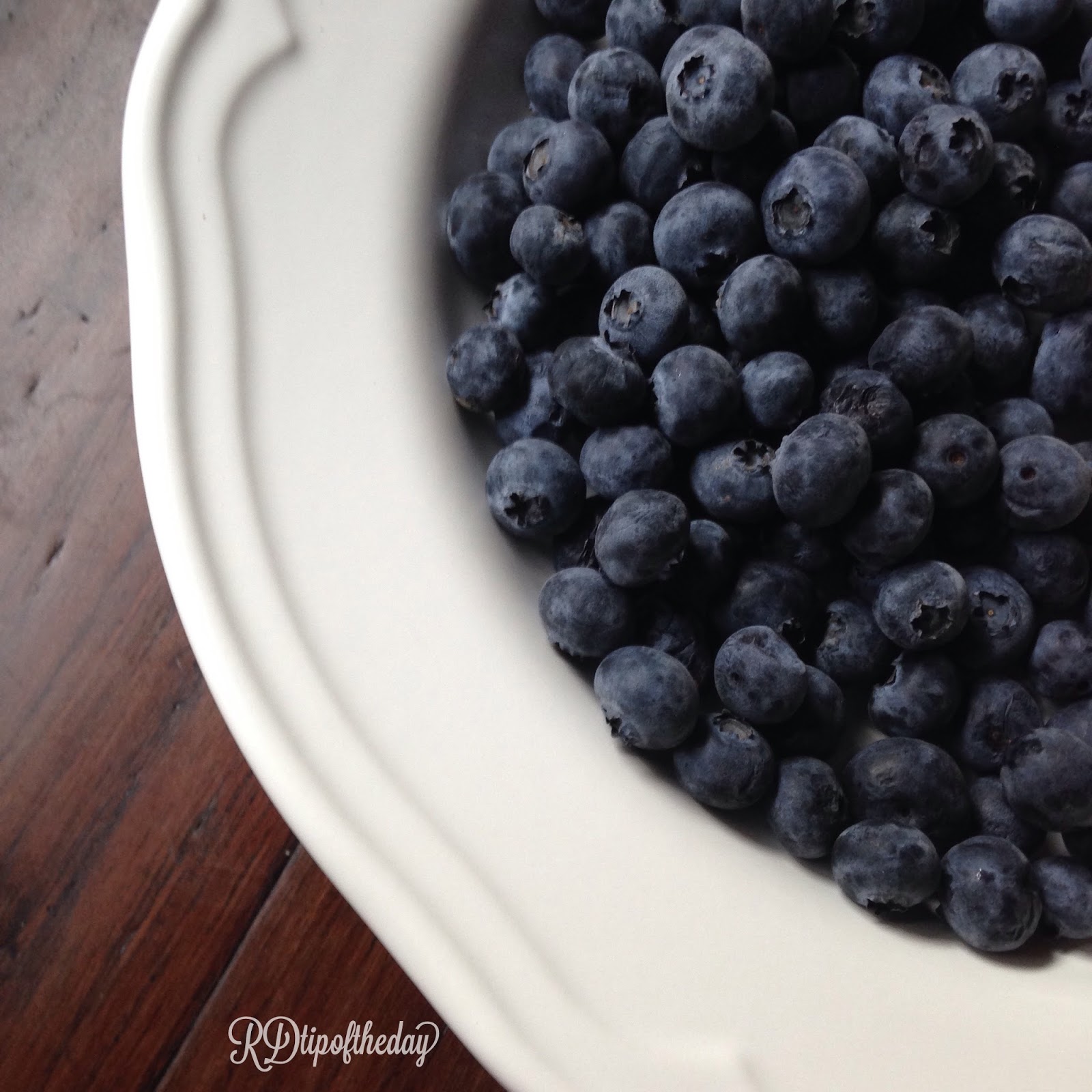
    Blueberries
    • Selection: Choose firm, plump blueberries with a dusty blue color. Avoid shriveled or moldy berries.
    • Storage: Refrigerate for 10-14 days.
    • Nutrition Benefits: low fat and a good source of vitamin C and fiber
    • Fun Fact: Early American colonists made grey paint by boiling blueberries in milk!


    Cherry Tomatoes
    • Selection: Choose tomatoes that are plump and firm with bright, shiny skin. Avoid mold.
    • Storage: Store at room temperature away from direct sunlight. 
    • Nutrition Benefitshigh in vitamin A and C and a good source of potassium


    Grapes
    • Selection: Choose grapes that are plump and firm. Avoid mold.
    • Storage: Grapes can be refrigerated in a plastic bag for up to 1 week.
    • Nutrition Benefitsfat-free, cholesterol free, and very low in sodium

    Stay tuned for more on picking produce in the remainder of the alphabet. Throughout this month, I will share ideas for including more fruits and vegetables into your daily diet. For more recipes, encouragement, and tips for healthy eating, follow me on PinterestInstagram, and Twitter